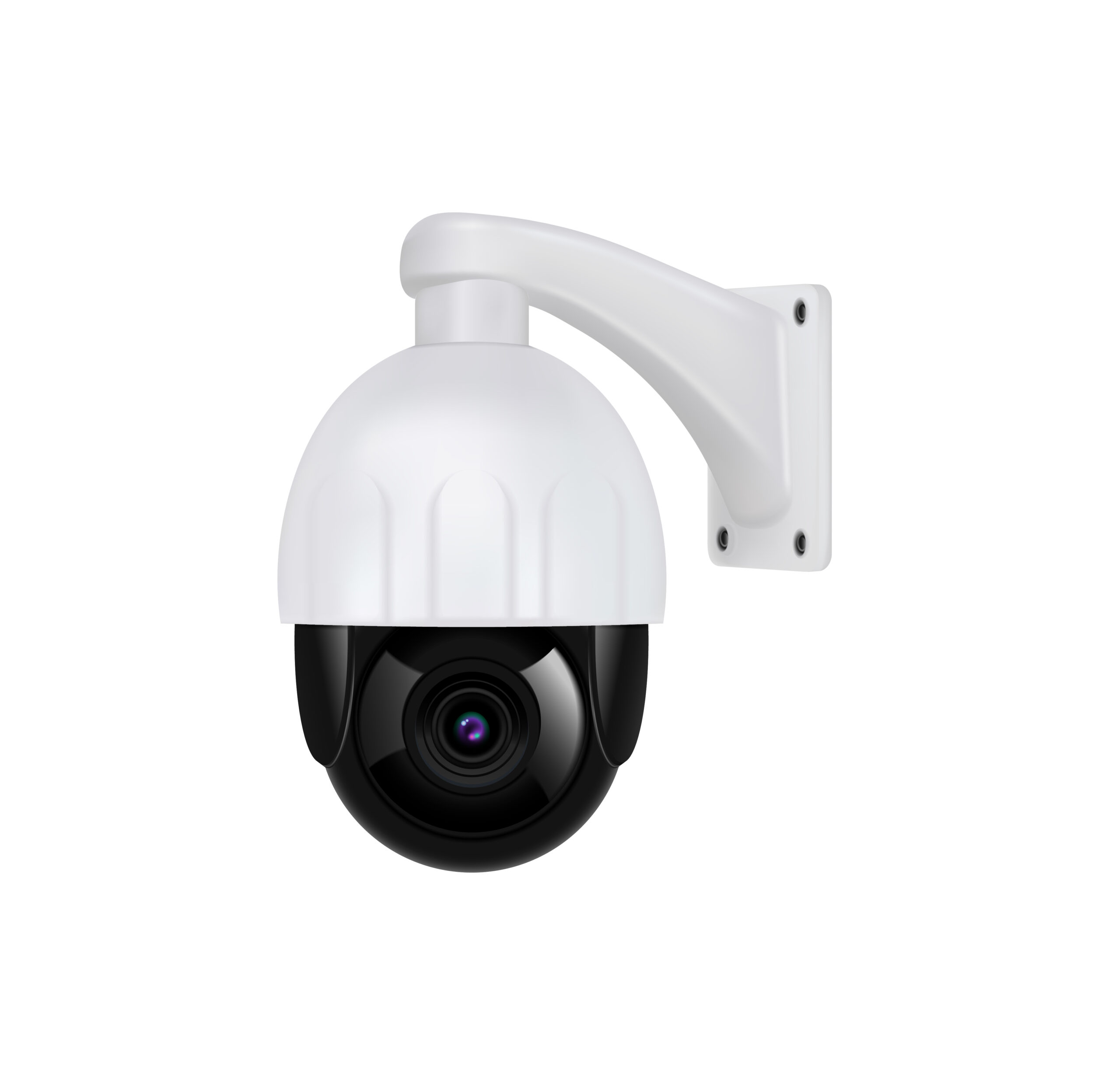
Why Parking Security Cannot Be Overlooked
Parking facilities, whether private garages, community underground car parks, or public lots, are among the most vulnerable areas in any property. Cars are valuable assets, and unattended spaces often become targets for theft, vandalism, or unauthorized access. In Mallorca, where tourism and residential communities coexist, protecting vehicles and ensuring user safety is more important than ever.
The installation of security cameras in parking lots and garages is no longer a luxury; it is a necessity. Advanced surveillance systems combine deterrence, evidence collection, and operational efficiency, making them an essential investment for communities, businesses, and private owners alike.

Common Threats in Parking Environments
Understanding the risks is the first step to designing an effective security strategy:
-
Vehicle theft or break-ins: cars parked for long hours are easy targets.
-
Vandalism: graffiti, scratches, or intentional damage often go unnoticed without cameras.
-
Unauthorized entry: strangers entering through pedestrian doors or service areas.
-
Poor visibility: dim lighting and blind spots make it easier for offenders to act.
-
Disputes and accidents: collisions between vehicles or disagreements among users are frequent in busy garages.
What Security Cameras Bring to Parking Facilities
Strong deterrence
The presence of cameras discourages intruders. Offenders tend to avoid locations where they know they are being recorded.
Real-time monitoring
With IP technology, managers or property administrators can view live footage anytime from a smartphone or computer.
Evidence in case of incidents
High-definition video is invaluable for insurance claims, police investigations, and conflict resolution.
Safer environment for users
Surveillance increases confidence among residents and visitors, especially at night or in underground levels where people may feel unsafe.
Integration with access systems
Modern cameras can work together with license plate recognition, barriers, and alarms, creating a complete ecosystem of security.
Key Areas to Place Cameras
Unlike homes or offices, parking lots require strategic placement to cover all vulnerable points:
-
Entrance and exit ramps: to register vehicle flow and capture license plates.
-
Pedestrian access points: stairwells, elevators, and side doors.
-
Payment machines or cashier areas: frequent targets for theft.
-
Parking rows and open spaces: broad coverage prevents blind spots.
-
Corners and poorly lit zones: cameras eliminate hidden areas.
-
Exterior perimeter: supervision of surrounding streets or outdoor access.
Technology That Makes the Difference
Today’s cameras for parking lots and garages are far more advanced than traditional CCTV. When choosing, consider features such as:
-
Color night vision: identify people, cars, and license plates even in complete darkness.
-
License Plate Recognition (LPR): automate vehicle registration and enhance access control.
-
Artificial Intelligence (AI): distinguish between relevant events (people, vehicles) and irrelevant motion (leaves, shadows).
-
Cloud storage: secure access to footage even if local devices are tampered with.
-
Active deterrence: flashing lights or sirens triggered when suspicious movement is detected.
-
PoE connectivity: stable data and power through a single cable, perfect for large garages.
Best Practices for Parking Surveillance in Mallorca
-
Combine cameras with lighting improvements: surveillance is more effective with well-lit areas.
-
Use visible signage: inform users that the area is under video surveillance, boosting deterrence and complying with regulations.
-
Ensure full coverage: avoid blind spots by using a mix of wide-angle cameras and varifocal models.
-
Integrate with alarms: cameras alone record events, but alarms provide active response.
-
Consider weather and durability: for outdoor lots, cameras must be IP67 and vandal-resistant (IK10).
Legal and Privacy Considerations
In Spain, installing security cameras must comply with the GDPR and national data protection laws:
-
Cameras may only record common areas, not private spaces.
-
Clear signs must inform users about surveillance.
-
Access to recordings must be limited to authorized personnel or security providers.
-
Footage should be stored securely and for the legally allowed retention period.
Failure to comply with these rules may lead to sanctions and damage user trust.
Parking Security Scenarios in Mallorca
-
Community underground garages in Palma: cameras prevent break-ins and unauthorized entry by non-residents.
-
Tourist parking near beaches: surveillance ensures vehicle safety in high-traffic zones.
-
Private villas with underground garages: cameras combined with alarms provide protection even when the property is unoccupied.
-
Public parking facilities in towns like Sóller or Alcúdia: integrating surveillance with ticket systems streamlines management and security.
Conclusion
Parking lots and garages in Mallorca face daily challenges, from theft and vandalism to user safety concerns. Installing security cameras is the most effective way to deter crime, monitor activity, and provide evidence when needed.
Modern technology, including night vision in color, license plate recognition, AI analytics, and integration with alarm systems, ensures comprehensive protection. Whether for a residential garage, a tourist parking facility, or a private villa, video surveillance is a strategic investment that safeguards property, enhances user confidence, and strengthens overall security.